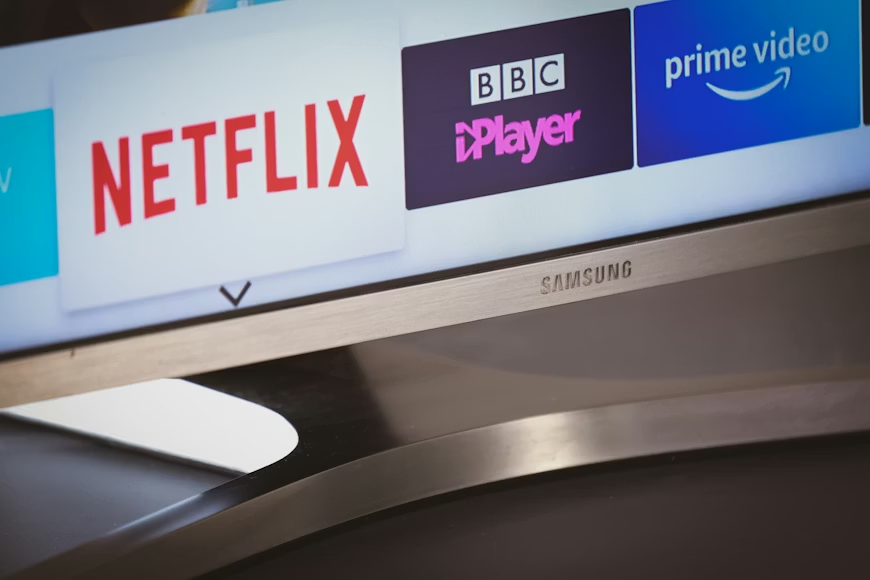
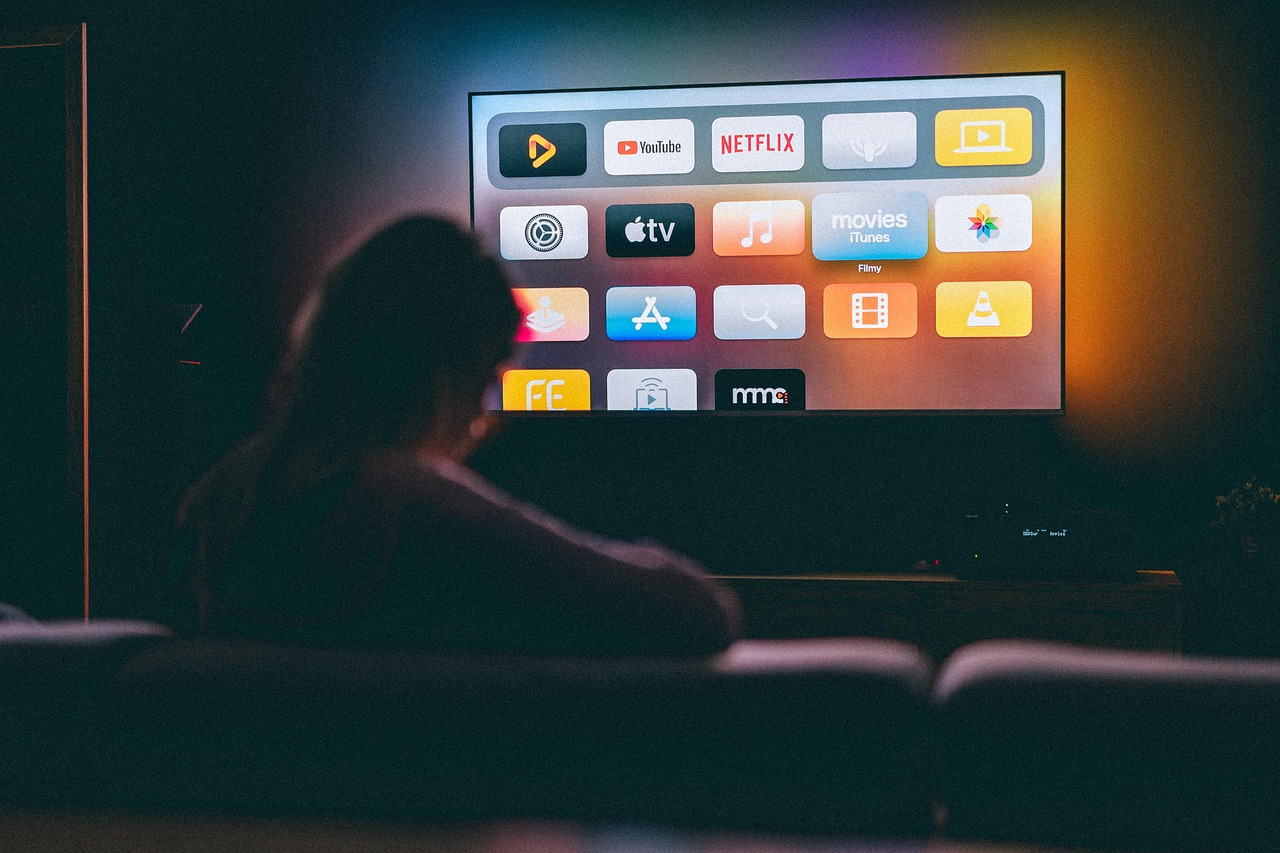
The smartest approach to avoid duplicate streaming subscriptions is not to collect the most perks. It is building a system where services complement each other without unnecessary duplication.
Streaming and telecom bundles are supposed to save money, but many households accidentally end up paying twice for the same services without realizing it. One provider may include Netflix, while another bills for it separately. A phone carrier may bundle Disney+, but the household continues maintaining an older standalone subscription out of habit.
As entertainment ecosystems become more interconnected, overlapping subscriptions have become surprisingly common. Consumers trying to simplify their monthly bills often create even more confusion by stacking multiple bundles without carefully checking what is already included.
Overlap Happens More Than People Think
Most households gradually subscribe to streaming platforms.
Someone may start with Netflix independently, later switch to a Verizon plan that includes the Disney bundle, then join Amazon Prime for shipping benefits, forgetting that Prime Video is also included. Eventually, several overlapping subscriptions quietly accumulate together.
Because charges are spread across different bills, duplication often goes unnoticed for months or even years.
This becomes especially common in families where different household members sign up for services independently without coordinating entertainment subscriptions centrally.
Learn How to Build the Perfect Streaming Stack for Your Interests to reduce overlapping subscriptions.
Carrier Bundles Frequently Replace Standalone Subscriptions
One of the easiest ways to reduce overlap is to review wireless carrier perks carefully.
T-Mobile frequently includes Netflix and Apple TV+ on select plans. Verizon often bundles Disney+, Hulu, ESPN+, or Apple Music, depending on the package. AT&T periodically offers entertainment promotions tied to premium tiers as well.
Households already paying separately for those services may be able to cancel standalone subscriptions immediately once the carrier bundle activates.
However, consumers should confirm exactly which version of the service is included. Some bundles provide ad-supported tiers or limited access compared to standalone premium plans.
Amazon Prime Creates Hidden Entertainment Overlap
Amazon Prime is another major source of accidental duplication.
Many users subscribe primarily for shipping benefits, forgetting that Prime Video, music streaming, gaming perks, and ebook access are already included with the membership. As a result, households sometimes maintain overlapping entertainment services without realizing certain needs are already covered.
For example, someone paying for both Prime Video and several secondary movie platforms may discover that Amazon already satisfies much of their casual viewing needs.
The key is to evaluate actual usage rather than assume that every streaming category requires a separate subscription.
Family Plans Often Reduce Duplicate Costs
Shared family plans remain one of the easiest ways to avoid paying multiple times for the same service.
Spotify, Apple Music, YouTube Premium, Netflix, and Disney+ all offer family-oriented plans designed to support multiple users on a single account. When managed properly in accordance with terms-of-service guidelines, these plans dramatically reduce duplicate spending across households.
The problem arises when family members independently subscribe to the same services because no one coordinates billing centrally.
Even a simple shared spreadsheet or subscription audit can uncover surprisingly large monthly waste.
Compare Family of 4 Streaming + Mobile Plans Compared for shared household savings.
Live TV Bundles Require Extra Attention
Live TV services create another layer of overlap, as many already include content that users may subscribe to elsewhere.
For example:
- Hulu + Live TV includes Hulu and often Disney+ bundles
- YouTube TV overlaps with sports and news apps
- Amazon Prime may duplicate movie content already inside live TV packages
Consumers focused on convenience sometimes accidentally pay for the same entertainment categories across multiple platforms simultaneously.
Reviewing which services already contain sports, movies, or network television access can prevent unnecessary stacking.
Check Hulu + Live TV vs YouTube TV before stacking live TV services.
Rotating Subscriptions Helps Reduce Duplication
Subscription rotation also helps avoid overlap naturally.
Instead of maintaining every bundle continuously, households can activate services strategically based on current viewing interests. This makes duplicate spending easier to notice because fewer platforms remain active simultaneously.
For example, a household that heavily uses Disney+ through a Verizon bundle may temporarily pause unrelated family streaming subscriptions to focus on that ecosystem.
Intentional rotation provides much clearer visibility into what is actually being used versus what simply quietly auto-renews each month.
Bundles Only Save Money When Fully Used
One important reality is that bundles are not automatically bargains.
A phone plan costing significantly more each month may technically include “free” streaming perks, but the savings disappear if the household barely uses those services. In some cases, cheaper standalone plans plus selectively chosen subscriptions create better overall value.
Consumers should calculate:
- What services are already included
- Which subscriptions are actually used weekly
- Whether bundled versions match standalone quality
- Total real monthly spending across all providers
The goal is to maximize useful value, not simply to collect the most logos on a streaming dashboard.
Read Are Streaming Bundles Actually Cheaper? before upgrading for extra perks.
The Best Bundle Strategy Is Simplicity
The smartest streaming and telecom setup is usually simpler than people expect.
Instead of stacking endless overlapping subscriptions, successful households focus on:
- One or two core streaming platforms
- Carrier perks replacing existing subscriptions
- Shared family plans where appropriate
- Strategic rotation instead of permanent activation
The result is lower monthly spending, less subscription clutter, and a much clearer understanding of what entertainment services are genuinely worth keeping.
Bundles work best when they eliminate redundancy instead of quietly multiplying it.