Learning how to lower your internet bill is usually far easier than people expect. A short phone call can sometimes significantly reduce monthly bills without changing providers.
Many people assume internet pricing is fixed and non-negotiable. In reality, providers frequently offer discounts, promotional rates, retention deals, and service adjustments that are never clearly advertised unless customers actively ask.
Internet companies rely heavily on customer inertia. Once service is installed and working reliably, most households stop comparing plans or questioning rising monthly costs. Providers know this, which is why promotional pricing often expires quietly while bills gradually increase.
Review Your Current Bill First
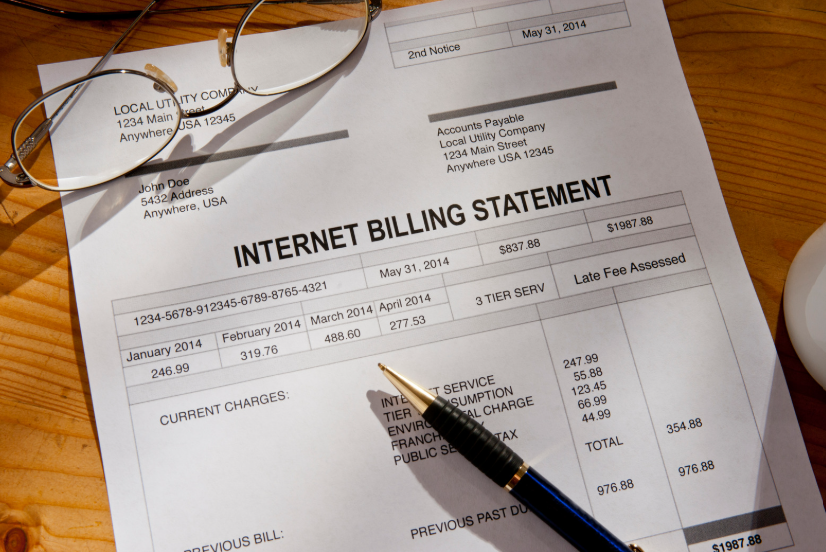
Before calling your provider, review the bill carefully.
Many households are paying for:
- Expired promotional pricing
- Equipment rentals
- Unused speed upgrades
- Premium add-ons
- Regional fees
- Bundled services no longer needed
Understanding exactly what is inflating the bill gives you leverage during negotiations if the monthly total has increased substantially compared to your original sign-up price; that alone often creates a strong starting point for requesting adjustments.
Consumers who call without understanding their current charges usually negotiate less effectively.
Check Hidden Fees That Inflate Your Monthly Bill before calling your provider.
Research Competing Offers
One of the strongest negotiation tools is competitor pricing.
Internet providers know consumers now have more options than ever, including fiber, cable, fixed wireless, and 5G home internet services. Before contacting your provider, check what competing companies offer in your area.
Promotional rates from T-Mobile Home Internet, Verizon 5G Home Internet, fiber providers, or rival cable companies can create immediate leverage. Even if you do not intend to switch, mentioning realistic alternatives can quickly change the conversation.
Providers are often far more willing to negotiate when they believe a customer is actively considering leaving.
Compare Single-Person Streaming + Mobile Combos That Save Money before bundling services
Ask for the Retention Department
One of the biggest mistakes consumers make is accepting the first response from general customer service.
Frontline representatives may have limited authority to adjust pricing significantly. Retention departments, however, are specifically designed to prevent cancellations and usually have access to stronger promotional tools.
Politely explaining that you are reviewing alternatives and considering switching providers often automatically transfers you to retention.
This is where many of the best discounts, promotional extensions, and fee waivers become available.
Focus on Monthly Cost, Not Just Speed
Internet providers frequently try to upsell faster plans during negotiation calls instead of reducing bills.
Many households already pay for far more speed than they realistically need. Unless multiple people are gaming, uploading large files, and streaming in 4K simultaneously, mid-tier plans are often perfectly sufficient.
Consumers should focus on lowering the total monthly bill rather than being distracted by marketing around “ultra-fast” speeds that may not meaningfully improve daily use.
In many cases, slightly reducing speed tiers produces major savings with almost no noticeable performance difference.
Learn How Much Data Streaming Really Uses (By Platform) before paying for faster internet.
Equipment Rentals Are Easy Targets
Router and modem rentals are often among the easiest charges to negotiate or eliminate.
Providers may waive rental fees temporarily during retention negotiations or allow customers to use their own approved equipment instead. Over time, eliminating monthly equipment charges can create substantial savings.
If you already own compatible hardware, mentioning this during negotiations may strengthen your case further.
Even small reductions add up because internet bills recur every month indefinitely.
Timing Matters More Than People Realize
Negotiation opportunities often become strongest:
- After promotional pricing expires
- During competitor promotional periods
- Near the end of contract terms
- During seasonal switching campaigns
Providers become especially aggressive during periods when many customers typically reevaluate services, such as back-to-school season or major holiday promotions.
Calling shortly after noticing a bill increase usually works better than waiting months while passively continuing to pay inflated prices.
Bundling Can Help, But Be Careful
Some providers offer discounts for combining internet with mobile service or streaming subscriptions.
These bundles can create legitimate savings, especially if the household already uses the included services. However, consumers should still carefully compare the total bundled cost with standalone options.
Bundles only help financially when they replace expenses already planned independently. Otherwise, they can quietly increase overall spending through unnecessary extras.
The goal is to reduce waste, not simply to collect more services.
Read Are Streaming Bundles Actually Cheaper? before adding more services.
Be Polite, But Specific
Negotiation works best when consumers remain calm, polite, and direct.
Aggressive arguments rarely help. Instead:
- Mention competitor pricing
- Explain loyalty concerns
- Ask clearly about available promotions
- Request retention offers directly
- Inquire about equipment fee reductions
Representatives are often more willing to help cooperative customers who sound informed and realistic.
Sometimes simply asking, “Are there any current promotions available to lower my bill?” opens the door to substantial savings.
The Best Negotiation Strategy Is Consistency
One successful negotiation does not mean the bill will stay low forever.
Internet pricing changes constantly, and providers frequently cycle customers out of discounts. The households paying the least are often the ones who review their bills regularly and renegotiate periodically, rather than accepting automatic increases indefinitely.
Knowing how to lower your internet bill is not about winning a dramatic argument. It is about staying engaged enough to prevent passive overpayment from quietly accumulating year after year.