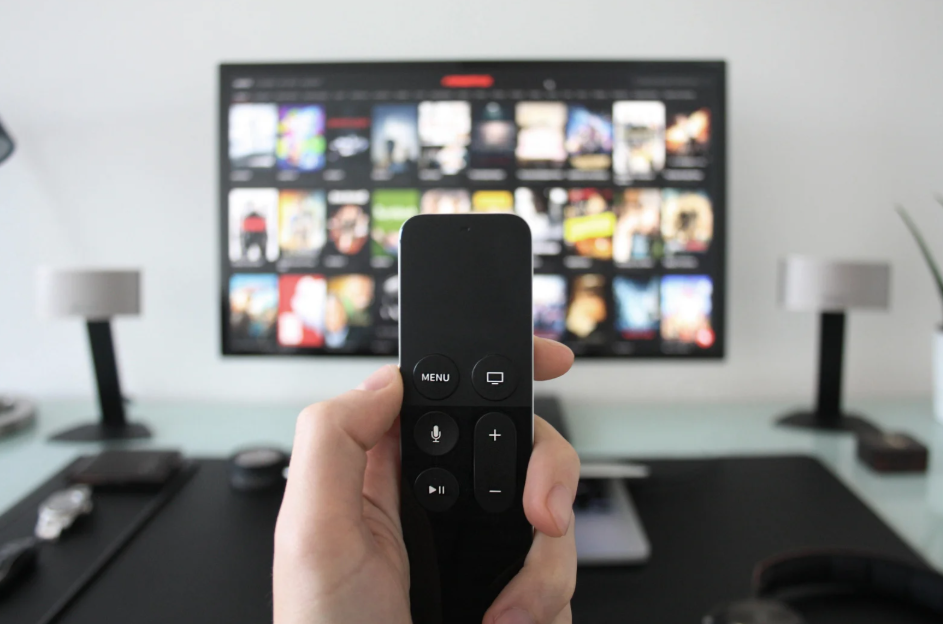
The best devices for multiple streaming services simplify access, organize content effectively, and reduce the friction of moving between entertainment platforms every day.
Streaming entertainment has become increasingly fragmented. Instead of browsing a single cable guide, households now jump between Netflix, Hulu, Disney+, Max, YouTube, Prime Video, live TV apps, sports platforms, and free streaming services across multiple ecosystems.
The device managing those services matters more than many people realize. A slow interface, weak app support, confusing navigation, or constant login problems can quickly make streaming feel frustrating, especially in households juggling several subscriptions simultaneously.
Roku Remains One of the Simplest Options
Roku continues to perform strongly because of its simplicity.
The interface is straightforward, app support is broad, and setup is generally easy even for less technical users. Households primarily wanting a reliable way to organize streaming apps without unnecessary complexity often appreciate Roku’s clean approach.
Roku devices also consistently support most major streaming services, making them attractive to users who maintain multiple subscriptions simultaneously. Search functions help viewers locate content across platforms without manually opening each app individually.
For budget-conscious households, Roku often provides one of the best balances of affordability and reliability.
See Cheapest Ways to Get Live TV Without Cable for more low-cost viewing options.
Apple TV Excels Inside Apple Ecosystems
Apple TV performs especially well for users who are already heavily invested in Apple products.
Integration with iPhones, iPads, AirPods, HomePods, and Apple services feels seamless. Navigation is fast, polished, and premium overall, while performance remains extremely smooth, even when switching between apps frequently.
The device also handles high-quality streaming particularly well, making it attractive for movie lovers and households with premium televisions and audio systems.
The downside is price. Apple TV hardware costs more than that of many competitors, which may feel unnecessary for casual viewers primarily seeking basic streaming access.
Fire TV Works Best for Amazon Users
Amazon’s Fire TV ecosystem strongly appeals to households that regularly use Prime Video, Alexa devices, and other Amazon services.
Prime Video integration feels natural, and Alexa voice controls help simplify searching across apps and entertainment categories. Fire TV devices also tend to offer aggressive pricing, especially during sales events.
The interface leans heavily into Amazon’s ecosystem and recommendations; however, some users enjoy it, while others find it cluttered.
For Prime subscribers already embedded inside Amazon’s broader ecosystem, Fire TV often feels convenient and familiar.
Compare Amazon Prime Video vs Max: Premium Content Face-Off before leaning into Prime.
Google TV Focuses on Content Discovery
Google TV and Chromecast devices emphasize personalized recommendations and cross-platform discovery.
Rather than organizing entertainment primarily around apps, Google TV tries to surface content suggestions directly, regardless of where the show or movie lives. For households overwhelmed by too many streaming options, this approach can feel extremely helpful.
Voice search integration is also strong, especially for Android users or homes already using Google Assistant devices.
The platform works particularly well for viewers who want recommendations and discovery tools rather than constantly manually browsing separate apps.
Smart TVs Are Convenient, But Not Always Ideal
Many modern televisions already include built-in streaming platforms, which seems convenient initially.
For casual users, smart TV apps may provide everything needed without purchasing additional hardware. However, built-in streaming systems often age more quickly than standalone devices. Slower interfaces, delayed app updates, and limited long-term support become common frustrations over time.
Dedicated streaming devices frequently outperform built-in smart TV software in speed, reliability, and longevity of app support.
Households that are heavily dependent on streaming often benefit from treating the television as a display, relying on external streaming hardware for the actual entertainment experience.
Read Multi-Device Households: Which Plans Actually Hold Up? before relying on built-in apps.
Storage and Performance Matter More Over Time
As streaming apps become larger and more complex, device performance becomes increasingly important.
Cheaper hardware may initially work fine with one or two apps, but it begins slowing noticeably once households install numerous streaming platforms, live TV services, and updates over time.
Laggy navigation, crashes, buffering delays, and slow-loading screens become far more frustrating in homes that constantly switch between entertainment services.
Investing slightly more upfront in stronger hardware often creates a noticeably smoother long-term experience.
Voice Search and Cross-App Navigation Help Reduce Friction
One major advantage modern streaming devices provide is centralized navigation.
Instead of opening every app individually, searching for content, strong platforms allow users to search once across multiple services simultaneously. Voice assistants make this even easier for families or casual users who are less inclined to browse complex menus manually.
As streaming ecosystems become increasingly fragmented, centralized search and recommendation systems become much more valuable than they once were.
The less time users spend hunting for content, the more enjoyable the overall streaming experience becomes.
Check Sling TV Orange vs Blue Packages before organizing live TV apps.
Which Streaming Device Is Best Overall?
For simplicity and affordability, Roku remains one of the safest choices for most households managing multiple streaming services.
Apple TV delivers the strongest premium experience for users deeply invested in Apple’s ecosystem and high-end home entertainment setups.
Fire TV works especially well for Prime-heavy households, while Google TV excels for users prioritizing content discovery and recommendation features.
The best streaming device is ultimately not the one with the most technical features. It is the one making daily entertainment feel smoother, faster, and less frustrating while managing the growing complexity of modern streaming subscriptions.