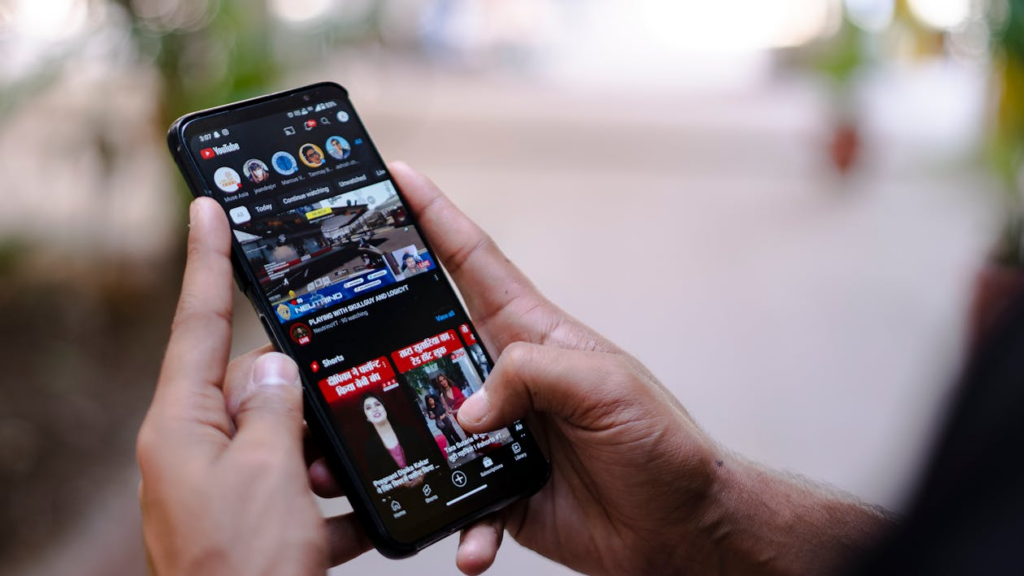

The best internet plans for gaming and streaming balance speed, latency, consistency, and overall network reliability.
Gaming and streaming place very different demands on an internet connection. Streaming movies or YouTube videos mainly requires steady download speeds, while online gaming depends heavily on low latency and connection stability. Households trying to do both simultaneously often discover that advertised speed alone does not guarantee a smooth experience.
A plan promising blazing-fast downloads can still experience lag spikes, buffering, or inconsistent gameplay when the network becomes congested or overloaded by multiple devices. For gamers who also stream on Twitch, watch Netflix, or regularly download massive game updates, choosing the right internet setup matters far more than simply buying the fastest available package.
Why Latency Matters More Than Raw Speed
One of the biggest misconceptions in gaming is that higher download speeds automatically improve online performance. In reality, latency often matters more.
Latency measures how quickly information travels between your device and the game server. High latency creates lag, delayed reactions, rubber-banding, and frustrating multiplayer experiences even on otherwise fast internet connections.
Fiber internet generally performs best for gaming because it delivers both high speeds and low latency. Cable internet can also work very well, although congestion during busy evening hours may sometimes increase ping times.
Satellite internet usually struggles most with gaming because signals must travel long distances into orbit and back, naturally resulting in higher latency regardless of download speed.
See Unlimited Plans That Aren’t Really Unlimited before trusting speed-heavy claims.
Streaming and Gaming Together Increase Demands
Households that simultaneously combine gaming and streaming place much heavier pressure on their networks than casual users realize.
A single 4K Netflix stream may consume substantial bandwidth while another family member downloads game updates exceeding 100GB. Add video calls, TikTok scrolling, cloud backups, and smart devices into the mix, and network congestion can appear quickly.
Gamers sharing an internet connection with multiple streamers should generally aim for at least 300 Mbps service, especially in households with several connected devices. Gigabit plans may be worthwhile for larger families or heavy content creators who upload videos regularly.
However, consistency still matters more than chasing the highest advertised number available.
Learn How to Build the Perfect Streaming Stack for Your Interests before upgrading your setup.
Fiber Internet Usually Delivers the Best Experience
Where available, fiber internet remains the strongest overall option for households that game and stream.
Fiber connections typically offer symmetrical upload and download speeds, which help streamers, Twitch creators, and gamers upload clips or host live broadcasts. Low latency and stable performance during peak hours also make fiber particularly attractive for competitive gaming.
Providers offering fiber often maintain better long-term reliability than older cable infrastructure. Households streaming on multiple televisions while gaming online usually notice smoother overall performance.
The main downside is availability. Fiber access remains inconsistent in many suburban and rural areas, leaving many households dependent on cable or wireless alternatives instead.
Cable Internet Can Still Work Extremely Well
Cable internet remains a strong option for many gaming households, especially where fiber is unavailable.
Modern cable plans can easily support multiplayer gaming, streaming, large downloads, and multiple simultaneous connected users. For most households, a reliable cable connection between 300 Mbps and 1 Gbps delivers more than enough performance.
The biggest issue is congestion. Because cable infrastructure is often shared across neighborhoods, speeds and latency may fluctuate during busy evening hours when many households are streaming simultaneously.
Still, high-quality cable service generally outperforms fixed wireless or satellite options for serious gaming purposes.
Review When It’s Better to Keep Cable before switching from wired service.
Wireless and 5G Home Internet Have Tradeoffs
5G home internet services from providers like T-Mobile and Verizon continue improving rapidly. For casual gaming and streaming households, they can deliver surprisingly solid performance at attractive prices.
Installation is simple, contracts are often minimal, and pricing may undercut traditional broadband providers. Streaming movies, browsing, and general online gaming frequently work perfectly well under normal conditions.
The challenge is consistency. Wireless connections remain more vulnerable to congestion, tower load, and signal fluctuations than wired broadband. Competitive gamers may notice occasional latency spikes or unstable performance during peak usage periods.
For lighter gamers or smaller households, however, modern fixed wireless internet can still represent excellent value.
Compare Rural Internet + Streaming Survival Guide before relying on wireless coverage.
Router Quality Also Makes a Big Difference
Many households blame their internet provider for gaming issues that are actually caused by weak home networking equipment.
Older routers may struggle with multiple simultaneous devices, especially in larger homes or apartments with thick walls. Upgrading to a modern Wi-Fi 6 or Wi-Fi 6E router can dramatically improve gaming stability and streaming consistency.
Ethernet connections still provide the best gaming performance whenever possible. Wired connections reduce interference and offer lower latency than Wi-Fi, particularly during competitive multiplayer gaming sessions.
Sometimes, improving the home network setup matters more than upgrading the internet plan itself.
The Best Setup for Gaming and Streaming
For households combining heavy gaming and streaming, fiber internet remains the ideal solution when available. Cable internet remains the next-best option for most users, especially at speeds of 300 Mbps or higher.
5G home internet can work surprisingly well for casual gamers and streamers, though competitive players may still prefer wired connections for maximum stability.
The best gaming setup is ultimately not the one with the highest advertised speed in television commercials. It is the one delivering stable, low-latency performance while multiple people stream, game, browse, and connect simultaneously without interruptions or frustration.