Choosing the best time to switch phone plans can save hundreds of dollars through device credits, waived fees, and bundled perks.
Most people switch phone plans only when they become frustrated enough to start looking for alternatives. A surprise price increase, poor coverage, or an expired promotional discount often triggers the search. What many consumers do not realize is that timing can significantly affect the value they receive when switching carriers.
Wireless companies compete aggressively year-round, but promotions are not distributed evenly. Certain seasons consistently bring better trade-in offers, lower device pricing, and stronger incentives designed to attract new customers away from competitors.
Major Phone Launch Seasons Trigger Competition
One of the best times to switch carriers is during major smartphone release periods, especially in late summer and early fall.
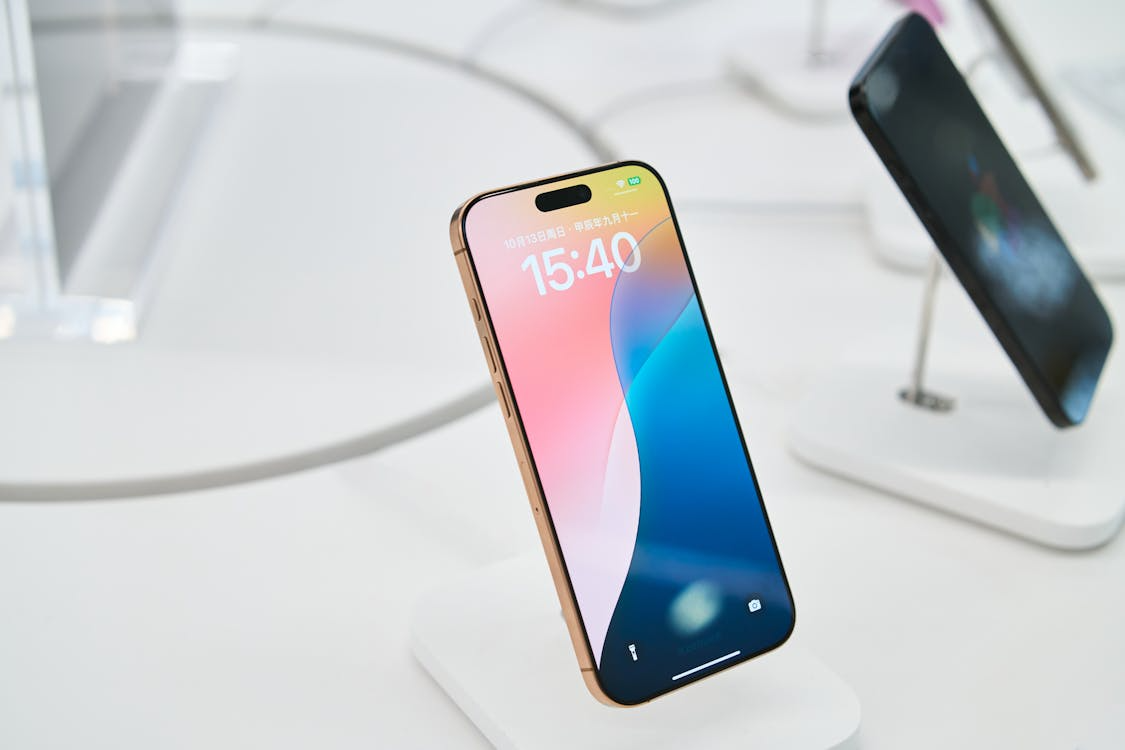
When new iPhones and flagship Android devices launch, carriers aggressively compete for attention. Trade-in promotions become larger, activation incentives increase, and carriers often offer premium phones at steep discounts tied to long-term installment agreements.
This period usually yields the strongest offers for consumers upgrading devices while switching providers.
However, shoppers should read promotional terms carefully. Some “free phone” offers require lengthy commitments through monthly bill credits rather than providing true upfront discounts.
Compare T-Mobile vs Verizon vs AT&T: Carrier Perks Breakdown before chasing launch-season deals.
Holiday Promotions Can Deliver Strong Savings
The holiday season is another major window for switching phone plans.
Black Friday, Cyber Monday, and year-end promotions often include aggressive family-plan pricing, bonus streaming perks, gift card incentives, and waived activation fees. Carriers know consumers are already spending heavily during the holidays and compete intensely for attention.
Families especially benefit during this period because multi-line promotions tend to become more generous. Free line offers, discounted accessories, and bundled streaming subscriptions frequently appear near the end of the year.
The downside is that promotional complexity increases as well. Carefully comparing offers is important because some deals prioritize flashy marketing over genuine long-term savings.
Back-to-School Season Targets Students and Families
Late summer back-to-school promotions create another strong switching opportunity, particularly for students and families.
Carriers frequently introduce discounted family plans, student-specific promotions, and streaming bundles during this period. Tablet deals, smartwatch discounts, and hotspot promotions also become more common as households prepare for school and college schedules.
For students moving off campus or families adding new lines, this season often offers solid overall value.
Even consumers outside the student demographic may benefit from broader promotional competition happening during this time.
Explore Best Plans for College Students Living Off-Campus for student-friendly mobile options.
Watch for Expiring Promotional Credits
Many consumers unknowingly overpay because they remain on outdated plans long after promotional pricing expires.
Carriers frequently offer temporary discounts lasting 12 to 36 months. Once those credits disappear, bills quietly rise while customers continue paying without reevaluating alternatives.
This is often the best moment to compare phone plans aggressively. Existing customers sometimes receive fewer incentives than new subscribers, meaning switching providers can create substantial savings even without changing devices.
Reviewing wireless bills annually helps identify when hidden price increases or expired promotions begin inflating monthly costs unnecessarily.
New Carriers Often Offer Switching Incentives
Competition between major carriers and budget providers continues to create aggressive switching offers year-round.
Visible, Mint Mobile, Google Fi, Metro, and other alternative carriers frequently introduce transfer bonuses, prepaid discounts, or limited-time promotional pricing to attract users away from Verizon, T-Mobile, and AT&T.
Consumers willing to bring unlocked devices often gain the most flexibility, as they can switch carriers more easily without waiting for installment contracts to end.
In some cases, smaller providers offer dramatically lower pricing for similar real-world performance depending on location and usage habits.
Read Single-Person Streaming + Mobile Combos That Save Money before switching to budget carriers.
Timing Matters Less Than Contract Awareness
While seasonal promotions matter, understanding existing obligations matters even more.
Switching too early during installment agreements may trigger large payoff balances on financed phones. Some carriers also structure promotions around long-term bill credits that disappear immediately if users leave before the term ends.
Consumers should always calculate:
- Remaining device balances
- Lost promotional credits
- Activation fees
- Transfer costs
- Trade-in values
Sometimes, waiting a few extra months produces much stronger overall financial results than switching immediately during a promotion.
Streaming Perks and Bundles Add Extra Value
Modern phone plans increasingly include entertainment bundles tied to promotions.
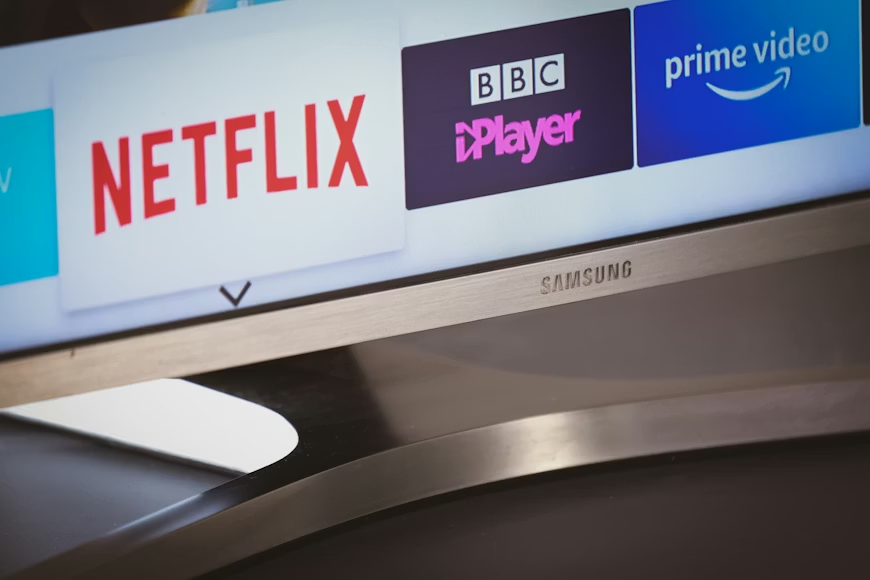
Netflix, Disney+, Apple TV+, Hulu, and cloud storage perks can add meaningful value depending on which services households already use regularly. Seasonal switching periods often increase these bonuses temporarily as carriers compete more aggressively.
Consumers comparing plans should include these extras when evaluating total value, but only if they would realistically pay for those services on their own.
The best deal is not necessarily the flashiest advertised promotion. It is the one reducing real monthly spending over time.
Check The True Cost of Cutting the Cord in 2026 before valuing entertainment perks.
The Best Time to Switch Is Usually Strategic
In general, the strongest switching opportunities tend to appear during:
- Major phone launches
- Black Friday and holiday promotions
- Back-to-school season
- Immediately after old promotional credits expire
However, the smartest timing depends on balancing promotions against existing obligations and realistic usage needs.
The goal is not simply chasing temporary discounts. It is finding long-term value through better pricing, stronger coverage, and perks that genuinely match how the household uses mobile service every day.