
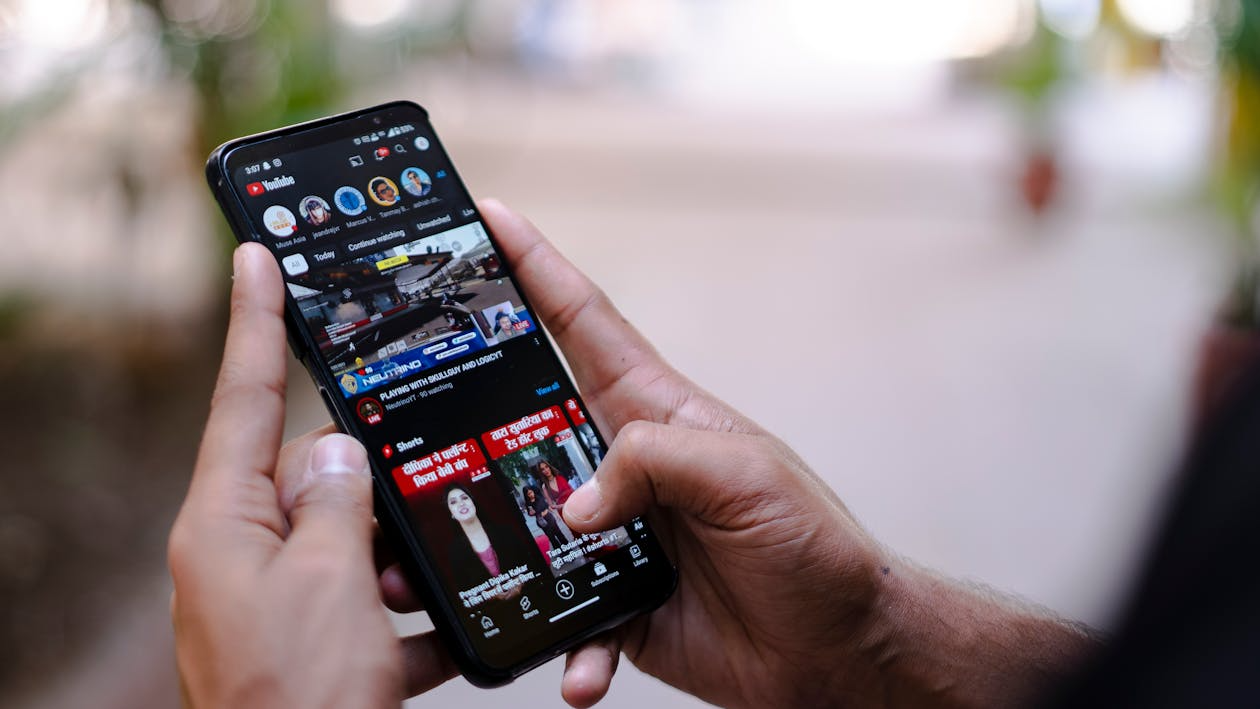
Choosing the best phone plans for TikTok and YouTube users matters much more than simply finding the cheapest unlimited option advertised online.
Short-form video and mobile streaming have completely changed how people use data. TikTok, YouTube, Instagram Reels, livestreams, and constant video scrolling can consume enormous amounts of bandwidth throughout the day, often far more than users realize.
A few minutes here and there may not seem significant, but heavy mobile video users can burn through tens or even hundreds of gigabytes monthly. High-definition video, autoplay feeds, uploads, livestreams, and background streaming all add up quickly, especially for younger users who spend hours daily inside video-heavy apps.
Video Streaming Eats Data Fast
Many users underestimate how quickly modern apps consume mobile data. TikTok, YouTube, Instagram, and Facebook all prioritize video heavily, and many clips automatically play in high quality whenever network conditions allow.
YouTube is especially demanding because users often stream long-form content in HD or 4K resolution. Watching tutorials, podcasts, gaming streams, or livestreams for several hours a day can drive data usage extremely high.
TikTok’s endless scrolling format creates another issue. Because the app constantly preloads new videos in the background, users continue consuming data rapidly even during casual browsing sessions.
For heavy video users, smaller data plans quickly become frustrating.
Compare YouTube Premium vs Free YouTube before paying for constant video streaming.
Unlimited Plans Make the Most Sense
For people spending hours daily on TikTok or YouTube, unlimited plans are usually the safest option. Trying to manage strict data caps while consuming constant mobile video often leads to throttling, overage concerns, or constant monitoring of usage.
However, not all unlimited plans handle streaming equally well. Some carriers automatically reduce video quality on lower-cost plans, limiting playback to 480p even when the network itself could support HD streaming.
Premium plans generally allow higher-resolution video, more premium data before deprioritization, and stronger performance during network congestion. Heavy video users should compare streaming restrictions carefully before choosing a plan solely based on price.
The cheapest unlimited option is not always the best experience for constant streaming.
Check Single-Person Streaming + Mobile Combos That Save Money for lighter plan options.
T-Mobile Performs Well for Video Users
T-Mobile has become especially popular among heavy video consumers because of its strong urban 5G performance and entertainment-focused plan structure.
Users streaming YouTube, TikTok, Twitch, or Netflix regularly often report solid speeds and fewer buffering problems in major metro areas. T-Mobile also tends to bundle streaming perks into some higher-tier plans, adding extra value for entertainment-heavy users.
The carrier performs particularly well for younger users who rely heavily on mobile data outside the home. Students, commuters, and frequent travelers often benefit from the network’s flexibility and aggressive data offerings.
The main consideration remains rural coverage, which can still vary more than Verizon in certain regions.
Verizon Prioritizes Stability
For users wanting strong nationwide reliability, Verizon remains one of the safest choices. Heavy video users who travel frequently or live outside major cities often appreciate the consistency of Verizon’s network performance.
Premium Verizon plans also tend to maintain higher speeds during periods of congestion, when many users are streaming simultaneously. This becomes important during evenings, concerts, sporting events, or crowded public spaces where networks become overloaded.
Verizon’s higher-end plans frequently include larger premium data allowances before deprioritization becomes a factor. For users streaming constantly every day, this extra breathing room can noticeably improve the experience.
The tradeoff is cost. Verizon’s premium plans are often among the most expensive options from major carriers.
Check Best Travel-Friendly Mobile + Streaming Plans before streaming away from home.
Budget Carriers Can Work for Casual Heavy Users
Budget providers like Visible, Mint Mobile, Cricket, and Metro offer attractive pricing for video users wanting lower monthly bills. Many operate on major carrier networks while charging substantially less.
For casual heavy streamers mostly watching videos in standard HD, these plans may work perfectly fine. However, users should understand that budget carriers often receive lower network priority during congestion.
That means TikTok or YouTube performance may slow down more noticeably in crowded environments than for premium postpaid users on the same towers.
Some budget carriers also cap streaming quality or hotspot performance more aggressively. Reading the fine print matters.
Wi-Fi Still Plays a Huge Role
Even users with excellent unlimited plans benefit greatly from strong Wi-Fi access. Streaming large amounts of video exclusively over mobile data can still expose users to deprioritization or network congestion during busy periods.
Home Wi-Fi, school networks, and workplace internet help reduce mobile strain while improving video consistency. Downloading videos or podcasts ahead of travel can also significantly reduce mobile usage.
Heavy video consumers should think of mobile data and Wi-Fi as complementary tools rather than relying entirely on either.
The smoothest experience usually comes from balancing both effectively.
Read High-Speed Plans for Gamers Who Also Stream for more heavy-use plan options.
The Best Overall Plans for Video Users
For constant TikTok and YouTube users, premium unlimited plans from T-Mobile and Verizon generally provide the strongest overall experience. T-Mobile often delivers excellent streaming performance in cities, while Verizon offers more consistent nationwide performance.
AT&T remains a solid middle-ground option for users wanting balanced performance and reliable coverage without leaning too heavily toward either extreme.
Budget carriers can absolutely work for lighter streamers or users who are mostly connected to Wi-Fi. Still, heavy mobile video users should carefully compare throttling policies, streaming quality restrictions, and deprioritization thresholds before switching.
The best plan for video-heavy users is not simply the cheapest unlimited option. It is the one that keeps scrolling, streaming, uploading, and watching smoothly even after hours of daily use.