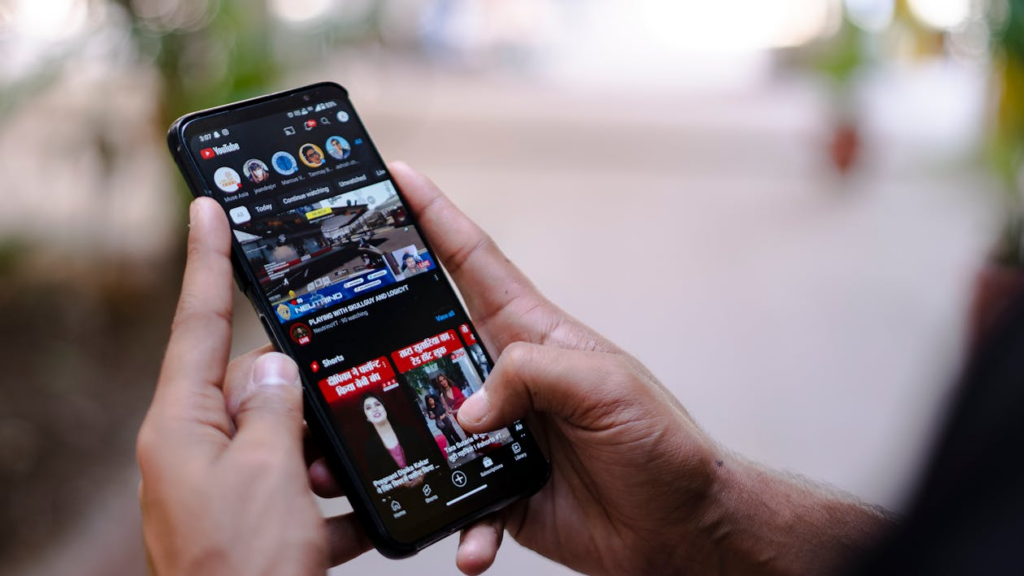

The key is to build a single-person phone and streaming plan around realistic usage rather than chasing oversized bundles marketed to families.
Not everyone needs a giant family bundle packed with multiple lines, premium channels, and massive data allowances. Single users often end up overpaying because many telecom and streaming promotions are designed around families rather than individuals. The result is that solo users frequently carry expensive plans filled with features they barely use.
The good news is that one-person setups are often the easiest to optimize. A single user has more flexibility to rotate subscriptions, switch carriers, and tailor services around specific habits without worrying about the needs of an entire household.
Unlimited Plans Are Not Always Necessary
One of the biggest mistakes solo users make is automatically choosing premium unlimited plans when their actual usage is fairly moderate.
For someone who spends most of the day connected to home or office Wi-Fi, a lower-cost plan with moderately high-speed data may be more than enough. Streaming music, checking social media, and occasional video viewing do not always justify the highest-priced unlimited tiers.
However, heavy YouTube viewers, TikTok users, or remote workers relying heavily on mobile data may still benefit from unlimited service. The important thing is to honestly evaluate how often mobile data is used outside Wi-Fi coverage.
Many people pay for premium data allowances they rarely approach.
See Unlimited Plans That Aren’t Really Unlimited before choosing a solo mobile plan.
Budget Carriers Often Deliver Excellent Value
Single users are often in the best position to take advantage of prepaid and budget carriers. Providers like Mint Mobile, Visible, Cricket, and Metro frequently offer aggressive pricing that becomes harder to match on traditional postpaid plans.
Visible is particularly attractive for solo users seeking unlimited data at a lower monthly cost because it operates on Verizon’s network and substantially undercuts Verizon’s direct pricing.
Mint Mobile works well for users who are comfortable prepaying several months upfront in exchange for lower monthly rates. For lighter users, these savings can become significant over the course of a year.
The trade-off is that budget carriers may receive lower network priority during periods of congestion. Casual users often never notice, but heavy streamers or travelers might.
Compare T-Mobile vs Verizon vs AT&T: Carrier Perks Breakdown before switching carriers.
Streaming Bundles Can Still Save Money
Solo users do not necessarily need separate subscriptions for every platform, either. Smaller bundles and targeted combinations often provide better value than maintaining five or six streaming services simultaneously.
The Disney bundle remains useful for individuals because it combines multiple content types into a single subscription. Users who enjoy sports, television series, and family-friendly content may find it cheaper than maintaining separate standalone services.
Amazon Prime is another example where the streaming component becomes part of a larger value package. Many single users already rely on Prime shipping benefits, which effectively lowers the perceived cost of Prime Video access.
Rotating subscriptions also works extremely well for individuals because viewing habits are easier to manage than in larger households.
Explore Budget Streaming Setups Under $50/Month for affordable entertainment options.
Rotating Services Is Easier for Solo Users
One major advantage solo users have is flexibility. Families often keep subscriptions active because different household members watch different content. Individuals can pause and switch services much more easily.
For example, a user may subscribe to Netflix for one month, switch to Max the next, then temporarily move to Hulu or Disney+ afterward. This prevents paying for several overlapping libraries simultaneously.
Because streaming platforms rarely require contracts, rotating subscriptions has become one of the simplest ways to reduce monthly entertainment costs.
Many people discover they can maintain access to nearly everything they want to watch while carrying only one or two active subscriptions at a time.
Mobile + Streaming Bundles Worth Considering
Some wireless providers now include streaming perks even on single-line plans. T-Mobile frequently bundles services like Netflix or Apple TV+ into premium tiers, while Verizon offers entertainment add-ons tied to select plans.
For heavy streamers already paying for premium wireless service, these perks may offset entertainment costs enough to justify the higher mobile bill.
However, solo users should calculate carefully. Sometimes, a cheaper standalone mobile plan combined with independently selected streaming services still costs less overall.
Bundles create the most value when they replace subscriptions the user was already planning to purchase.
Check Best Travel-Friendly Mobile + Streaming Plans if hotspot access matters often.
The Best Low-Cost Setup for Most Individuals
For many single users, the ideal setup combines:
- A budget-friendly unlimited mobile plan
- One rotating premium streaming subscription
- Free streaming platforms like Tubi or Pluto TV
- Existing bundled perks from services already used regularly
This kind of arrangement can dramatically lower monthly spending while still delivering a strong variety of entertainment and reliable connectivity.
Heavy streamers or remote workers may still benefit from premium unlimited plans with stronger hotspot access and higher data priority. Casual users, however, can often cut costs substantially without noticing much difference in daily use.
The smartest single-person setup is not about maximizing features. It is about removing unnecessary overlap while keeping the services that genuinely improve daily life and entertainment.