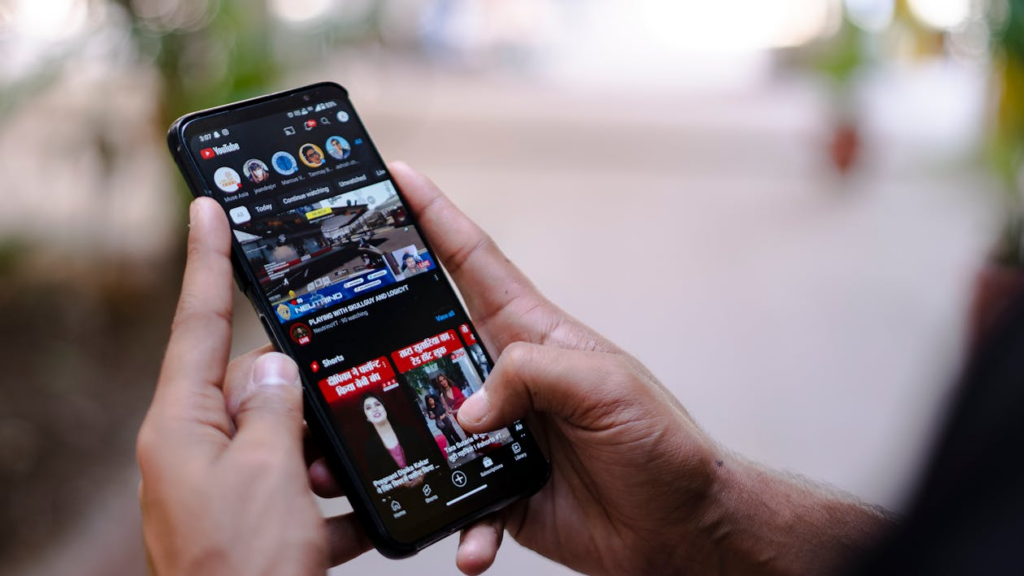
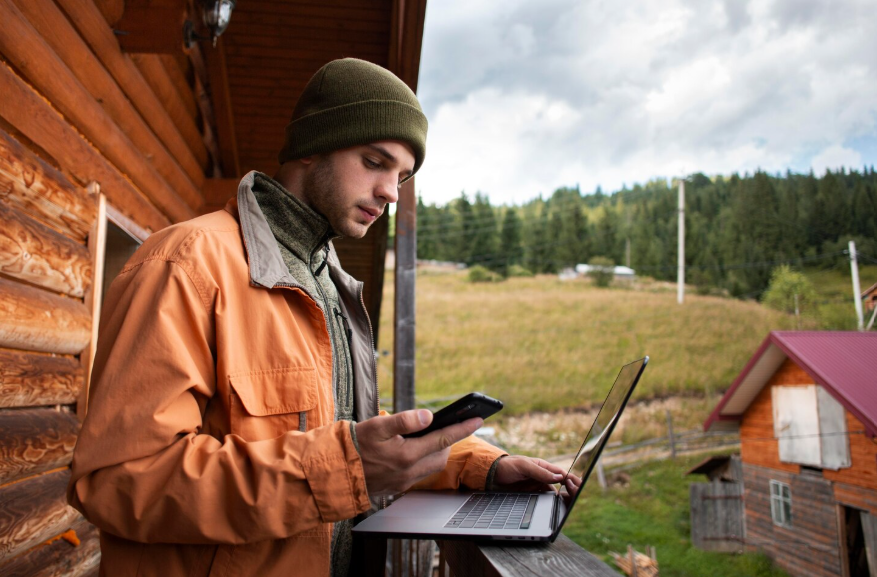
The best rural internet for streaming is usually the one built around flexibility rather than relying entirely on a single service.
Living in a rural area often means dealing with internet limitations that city users rarely think about. Slow speeds, weak mobile coverage, data caps, and inconsistent streaming quality remain common problems in many small towns and remote communities. While urban households debate whether they need gigabit fiber, rural users are often focused on simply maintaining stable video playback and reliable connectivity.
The situation has improved in recent years thanks to expanding fixed wireless networks, improvements in satellite internet, and stronger mobile hotspot options. Still, rural households must approach streaming and internet planning differently from suburban users because coverage and performance can vary dramatically by location.
Satellite Internet Has Improved, But Still Has Limits
Satellite internet used to be considered a last resort for streaming, gaming, and video calls. Older systems struggled with high latency, low speeds, and strict data restrictions, making heavy streaming frustrating.
Newer satellite providers have considerably improved the experience. Download speeds are now fast enough in many areas to support HD streaming, remote work, and multiple connected devices simultaneously. For isolated households without wired options, modern satellite service can finally function as a legitimate primary connection.
However, limitations still exist. Latency remains higher than with cable or fiber, which can affect the quality of online gaming and video conferencing. Weather can also affect stability during storms or periods of heavy cloud cover.
Satellite works best for households prioritizing general streaming and browsing rather than competitive gaming or constant large uploads.
Compare High-Speed Plans for Gamers Who Also Stream before choosing a setup for heavier use.
Fixed Wireless Is Becoming a Strong Rural Option
Fixed wireless internet has become one of the most promising solutions for rural users. Services from T-Mobile and Verizon now offer home internet over their mobile networks rather than traditional cable infrastructure.
For many rural households, fixed wireless offers better pricing and easier installation than satellite systems. Speeds can vary depending on tower congestion and signal strength, but many users report surprisingly solid streaming performance.
One major advantage is simplicity. There are usually no complicated installations, buried cables, or long-term contracts. Customers typically receive a gateway device that plugs in and begins broadcasting Wi-Fi throughout the home.
The challenge is availability. Performance depends heavily on proximity to nearby towers and local network capacity.
See T-Mobile vs Verizon vs AT&T: Carrier Perks Breakdown before choosing fixed wireless.
Mobile Hotspots Can Fill Important Gaps
Even households with home internet often benefit from mobile hotspot plans in rural areas. Service interruptions occur more frequently outside major cities, and backup connectivity becomes valuable during outages or while traveling.
Unlimited phone plans with generous hotspot allowances can help rural users maintain access when primary internet connections become unstable. This is especially important for remote workers, students, and families relying on streaming entertainment daily.
Verizon often performs well in rural coverage comparisons, though T-Mobile and AT&T continue to aggressively expandinto underserved regions. Local performance varies heavily by geography, so neighbors’ real-world experiences are often more useful than national coverage maps.
Hotspots are rarely ideal as the sole long-term home internet solution for large households, but they can provide important flexibility.
Explore Best Travel-Friendly Mobile + Streaming Plans for backup streaming and hotspot flexibility.
Streaming Smarter Helps Avoid Frustration
Rural users often need to approach streaming differently than households with unlimited fiber connections. Managing quality settings, download features, and simultaneous usage can make a noticeable difference.
Streaming to every device in 4K may quickly overwhelm slower rural connections. Many households find that HD streaming delivers a much smoother experience while using significantly less bandwidth.
Offline downloads are another underused feature. Services like Netflix, Disney+, YouTube Premium, and Spotify allow users to save content locally while connected to a reliable internet connection, reducing reliance on constant streaming later.
This becomes especially useful for travel, weather disruptions, or households with fluctuating internet quality during busy evening hours.
Data Caps Still Matter in Rural Areas
Unlike many urban broadband plans, rural internet services often still include data caps or soft usage limits. Satellite and fixed wireless providers may reduce speeds after households consume large amounts of monthly data.
Streaming video is one of the fastest ways to burn through those limits. A single 4K stream can use several gigabytes per hour, depending on the platform.
Families should pay attention to how much data their habits actually consume. Large households with multiple streamers, gamers, and remote workers can exceed thresholds surprisingly fast.
In some cases, combining moderate home internet with strategic mobile hotspot use creates a more reliable overall setup than relying entirely on a single capped connection.
Check Unlimited Plans That Aren’t Really Unlimited before trusting data claims.
Building the Best Rural Streaming Setup
The ideal rural internet strategy often combines multiple tools rather than relying on a single perfect solution. Fixed wireless or satellite internet may serve as the primary connection, while mobile hotspots provide backup flexibility during outages or periods of congestion.
Streaming households should prioritize practical reliability over maximum resolution settings. Lowering video quality slightly often produces a much smoother experience without drastically affecting viewing enjoyment.
Rural connectivity still requires more planning than urban internet service, but the gap continues shrinking every year. With smarter streaming habits, improving wireless technology, and expanding coverage options, rural households now have far more ways to stay connected than they did only a few years ago.