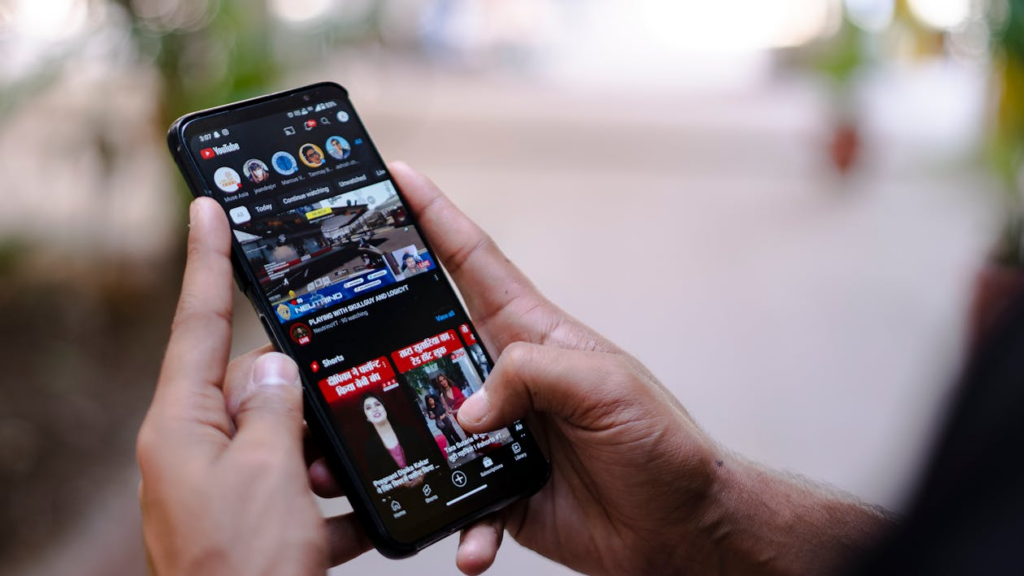

A cheap unlimited plan may look attractive initially, but throttling policies and hotspot restrictions can become frustrating fast once heavy usage kicks in.
Remote work has changed how people use mobile data. For many workers, a phone plan is no longer just about texting and occasional browsing. It now functions as a backup internet connection, a hotspot for laptops and tablets, and a constant source of streaming audio and video.
The problem is that many “unlimited” plans were not designed for people who spend eight to twelve hours connected daily. Video meetings, cloud uploads, YouTube tutorials, Spotify streaming, and mobile hotspot usage can push data consumption far beyond what carriers consider normal use. That is why choosing the best phone plans for remote workers means looking beyond the lowest advertised monthly price.
Why Hotspot Data Matters More Than Ever
For remote workers, hotspot performance is one of the biggest differences between plans. Many people assume unlimited phone data automatically means unlimited hotspot usage, but carriers often treat these separately.
Some plans include only 5GB to 15GB of high-speed hotspot data before speeds become nearly unusable. That may sound sufficient until a single Zoom meeting, software update, or cloud backup burns through several gigabytes in one afternoon.
Workers who frequently tether laptops should look for plans offering at least 40GB to 50GB of premium hotspot data monthly. Higher-end tiers from Verizon, T-Mobile, and AT&T usually offer the strongest hotspot allowances, though they cost more.
If your home internet occasionally fails, hotspot limits become even more important. A reliable mobile backup can prevent work interruptions during outages or travel days.
Learn How Much Data Streaming Really Uses (By Platform) before relying on hotspot access.
T-Mobile for Streaming and Travel Flexibility
T-Mobile performs especially well for remote workers who stream heavily throughout the day. Its premium plans typically include generous hotspot allowances, strong 5G performance in urban areas, and several streaming-related perks.
For workers constantly moving between coffee shops, coworking spaces, airports, and hotels, T-Mobile’s travel-friendly benefits add extra value. International texting and data access can be useful for remote professionals working while traveling abroad.
The carrier also tends to perform well with video streaming speeds. Users who regularly watch training videos, attend virtual conferences, or stream background entertainment during work hours often report fewer buffering issues than those on lower-tier carriers.
The main drawback remains rural consistency. In some remote areas, Verizon may still provide stronger overall coverage and stability.
Compare T-Mobile vs Verizon vs AT&T: Carrier Perks Breakdown before choosing a carrier.
Verizon for Reliability Under Heavy Usage
Verizon continues to attract remote workers who prioritize network consistency over entertainment perks. For professionals who rely on stable connectivity for video meetings or cloud-based workflows, reliability can outweigh small price differences.
One of Verizon’s strengths is its handling of congestion. Premium plans often maintain better speeds during busy evening hours when many users begin streaming simultaneously. That consistency becomes important for workers who attend late meetings or upload large files after normal business hours.
Verizon also provides substantial hotspot allowances on its upper-tier plans. Combined with strong nationwide coverage, it remains one of the best options for people working remotely from rural areas or while traveling across multiple regions.
The downside is cost. Verizon’s premium tiers can become expensive once taxes, fees, and device payments are included. Still, many remote professionals consider the stability worth paying for.
Read Rural Internet + Streaming Survival Guide for stronger backup connectivity planning.
AT&T’s Balanced Performance Option
AT&T occupies a middle ground between T-Mobile’s streaming-heavy appeal and Verizon’s coverage-first approach. For many remote workers, that balance works well.
The carrier offers respectable hotspot data on premium plans along with solid nationwide coverage. Workers who regularly stream music, podcasts, training videos, and occasional entertainment during the day generally experience stable performance without major slowdowns.
AT&T also tends to deliver consistent video call quality, particularly in suburban environments. Remote workers who split time between home offices and mobile workspaces often find the network dependable enough for everyday productivity.
Pricing can still climb once premium tiers are selected, but AT&T often feels less aggressively priced than Verizon while offering broader rural support than T-Mobile in some markets.
Budget Plans and Their Hidden Tradeoffs
Budget carriers like Mint Mobile, Visible, Cricket, and Metro can dramatically lower monthly costs, but remote workers should carefully review the fine print before switching.
Many lower-cost plans prioritize affordability over access to premium networks. That means speeds may slow significantly during periods of congestion, especially in crowded urban areas. Video streaming quality may also be reduced automatically on some plans to conserve bandwidth.
Hotspot limits are another common compromise. Some budget carriers either cap hotspot usage aggressively or throttle speeds quickly once certain thresholds are reached. For light remote work, these plans may perform perfectly well. For full-time professionals relying on constant connectivity, the limitations become more noticeable.
Still, workers with strong home internet who only need occasional mobile flexibility may save substantial money with a prepaid provider.
Check Unlimited Plans That Aren’t Really Unlimited before trusting low-cost data claims.
The Best Overall Choice for Remote Workers
For remote workers who stream constantly and depend heavily on hotspot access, premium plans from Verizon and T-Mobile usually deliver the strongest overall experience. T-Mobile offers exceptional streaming perks and urban 5G speeds, while Verizon excels in reliability and rural consistency.
AT&T remains an excellent middle-ground option for users wanting balanced performance without leaning too heavily toward either extreme.
Budget carriers can absolutely work for lighter users. Still, full-time remote professionals should calculate the true value of stable speeds, reliable hotspot access, and fewer connectivity headaches before chasing the absolute cheapest monthly bill.
In the end, the best phone plan for remote work is not simply the one with the lowest price or the loudest “unlimited” marketing. It is the plan that keeps your workday running smoothly without interruptions, buffering, or unexpected slowdowns.